


Storage & Technology Glossary
Published date: 17 March 2026
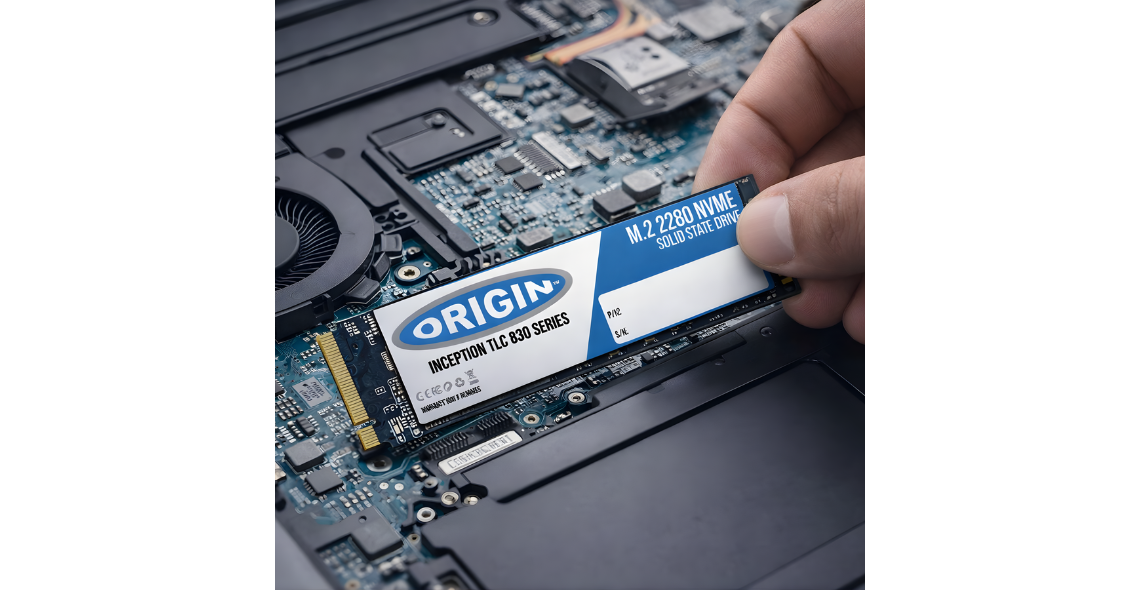
SSD (Solid-State Drive) - A non-volatile storage device that uses flash memory to store data without mechanical parts, offering faster access and improved reliability compared with traditional hard drives.
RAM (Random Access Memory) - A type of memory used by computers to store data that is actively being used by the operating system and applications. RAM directly affects system responsiveness and multitasking capability.
DDR5 (Double Data Rate 5 SDRAM) - The latest generation of synchronous DRAM memory standard offering higher performance, higher bandwidth and improved efficiency compared with DDR4.
Memory - A general term for electronic data storage, especially volatile types such as RAM that temporarily store active data for fast access.
Enterprise RAM - Memory modules designed for servers and professional workstations, often including ECC support and built for continuous operation and higher reliability.
Server RAM - RAM specifically validated for server platforms, commonly available as RDIMM or LRDIMM modules and often featuring ECC for data integrity.
Enterprise SSD - Solid-state storage engineered for data centre and enterprise workloads, offering higher endurance ratings, sustained performance and extended validation for 24/7 operation.
PCIe (Peripheral Component Interconnect Express) - A high-speed expansion interface used by modern SSDs, GPUs and other performance components.
NVMe (Non-Volatile Memory Express) - A storage protocol designed specifically for SSDs using the PCIe interface to maximise performance and reduce latency.
U.2 Drives - A 2.5-inch SSD form factor that connects via PCIe and supports NVMe, commonly used in enterprise servers for high-performance storage.
IOPS (Input/Output Operations Per Second) - A key performance metric measuring how many read and write operations a storage device can complete each second.
Throughput - The volume of data transferred over a given period, typically measured in MB/s or GB/s.
Latency - The delay between requesting data and the beginning of data transfer. Lower latency improves responsiveness.
Capacity - The total amount of data a device can store, measured in gigabytes (GB), terabytes (TB) or higher units.
ECC (Error-Correcting Code) - A technology used primarily in server and enterprise memory that detects and corrects certain types of memory errors automatically.
Cache - High-speed temporary memory used to store frequently accessed data and improve overall performance.
Form Factor - The physical size and layout standard of hardware components, such as 2.5-inch drives, M.2 SSDs or DIMM memory modules.


Comments
There are currently no comments, be the first to comment.